
Last updated on January 8th, 2026
Helping women find new careers in Cambodia
by Carolyn Ray
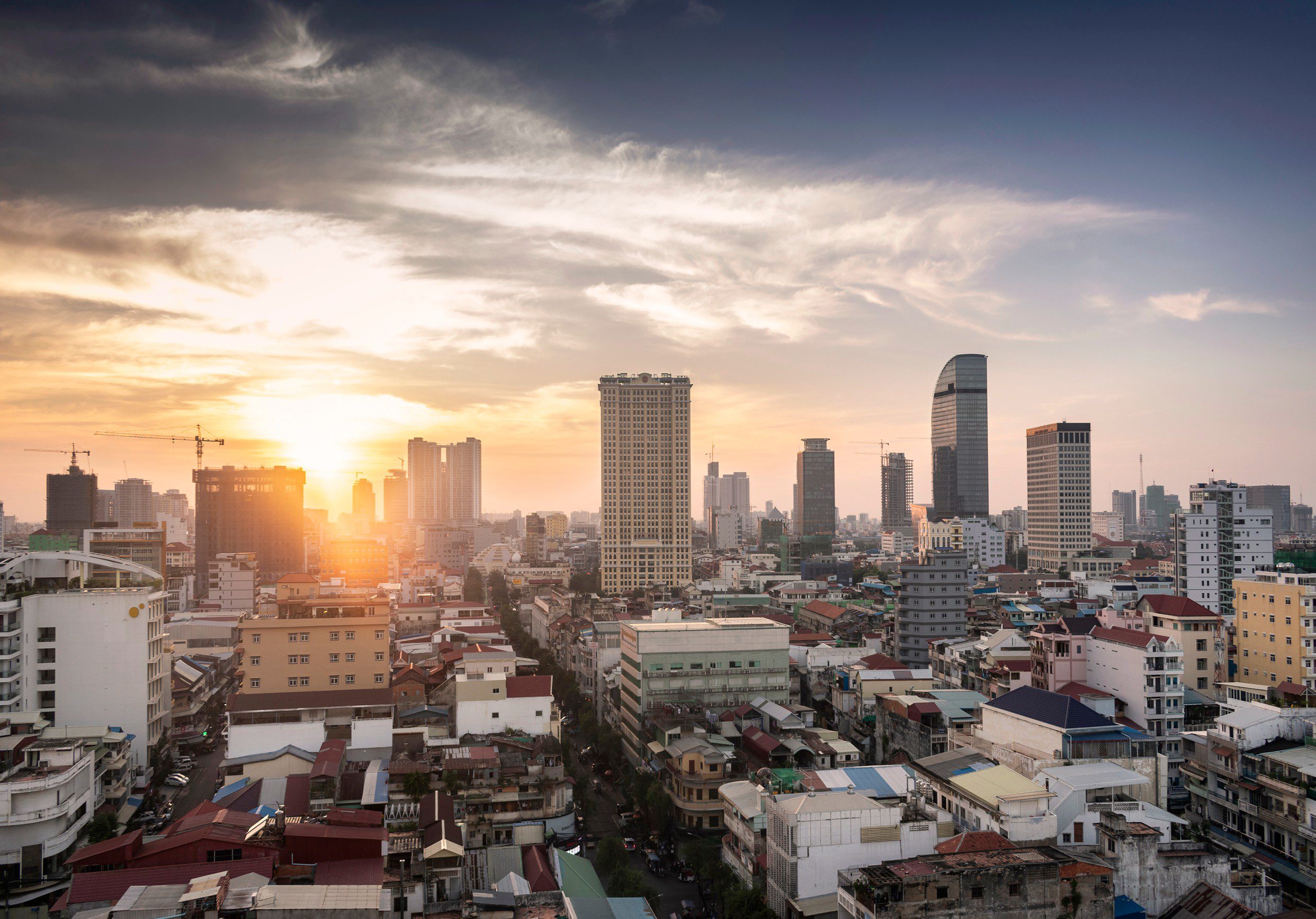
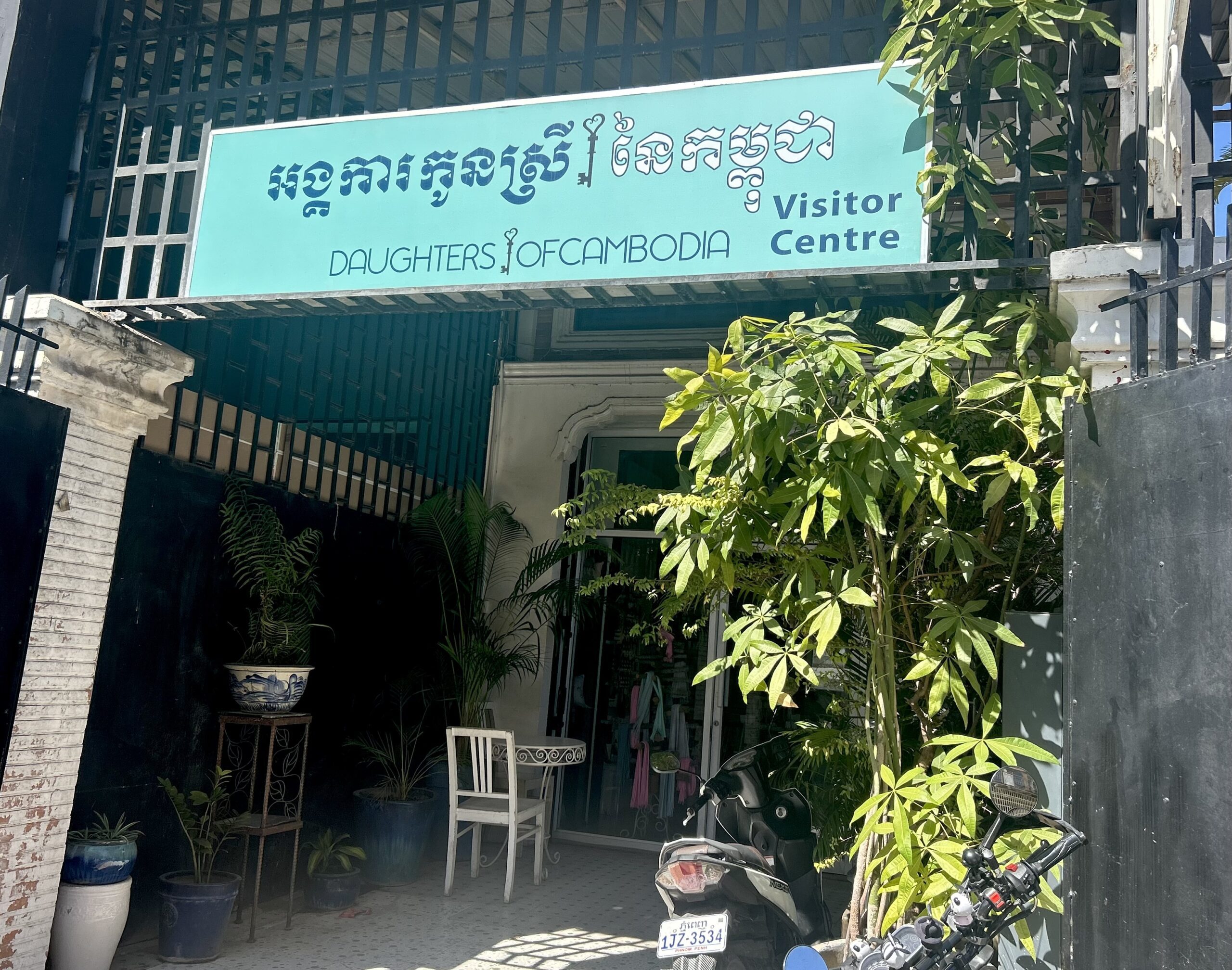
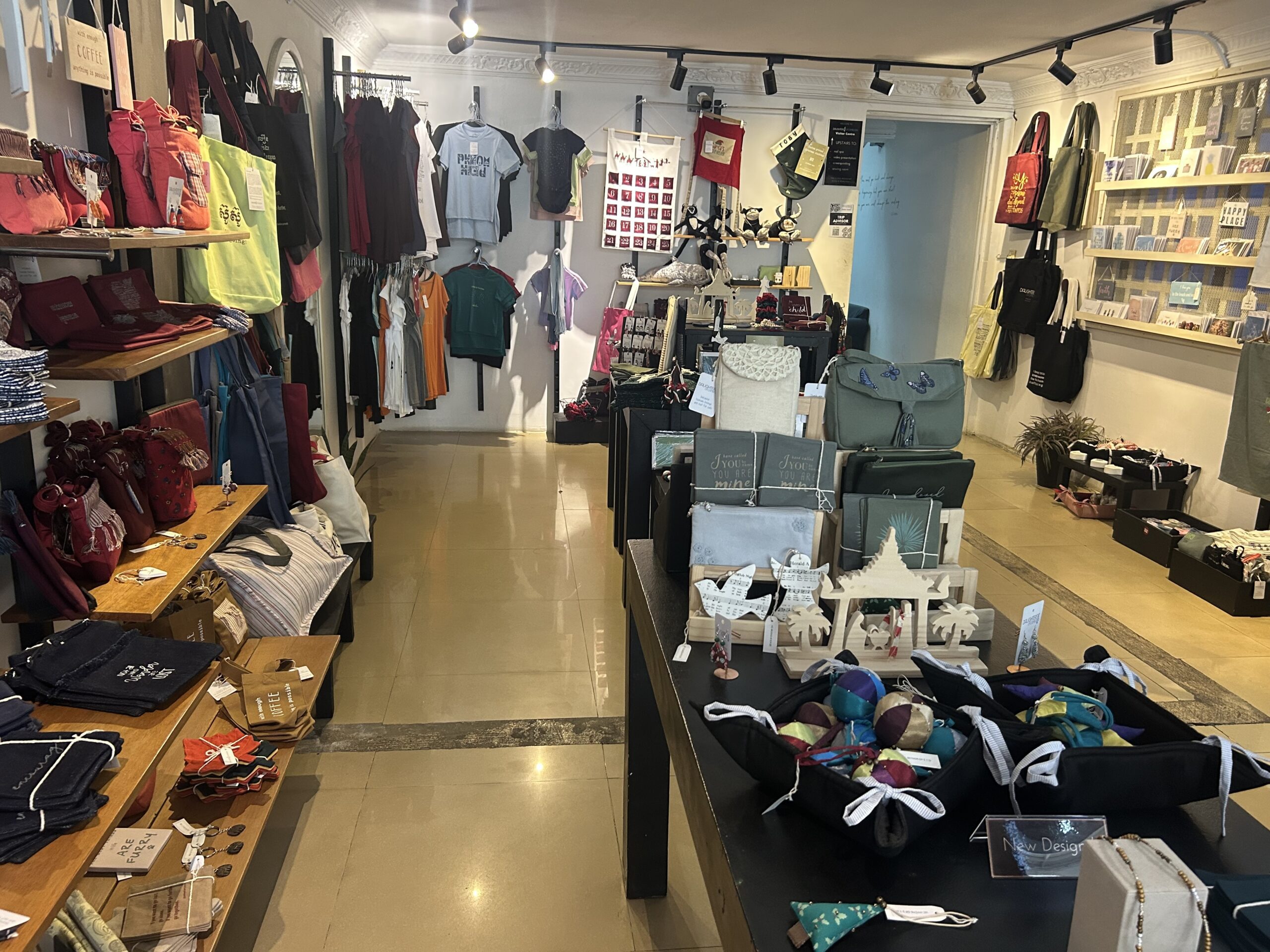
The bumpy tuk-tuk ride jostles me along the streets of Phnom Penh, past the Royal Palace, vibrant neighbourhoods, restaurants and temples. We stop on a small side street in front of an attractive shop with a “Daughters of Cambodia” sign, advertising shopping, a salon and workshops, inviting visitors to ‘take a peek at what we do’. Unless it hadn’t been recommended to me, I wouldn’t know that this is a very special place in Cambodia. It’s more than a shop, it’s a social enterprise to provide young women with new jobs, careers and sources of income as an alternative to the sex trafficking industry that is so prevalent in Cambodia.
After perusing some of the handmade jewelry, bags and t-shirts, I’m invited on a tour of the shop to see where these items are being made and watch a video featuring the head of Daughters of Cambodia, Ruth Elliott. Founded in 2007, Daughters of Cambodia has helped 900 girls be able to leave the sex industry. Currently, Elliot says they are helping 35 young women (including four men) learn new careers, including jewelry design, nail services and t-shirt screening. The jewelry is unique and I pick up a necklace, two bracelets and a small bag with a Cambodian proverb: “If you want to go fast go alone. If you want to go further, go together.” The sign on the wall reads: “Daughters of Cambodia empowers victims of trafficking to walk free and start a new life, healed, restored and with the means to thrive.”
It’s timely that I’m here because January is Human Trafficking Awareness and Prevention Month. According to the United Nations, human trafficking is a massive problem, with estimates ranging as high as 50 million people worldwide. No country is immune to this crime, including the U.S., and Canada, and as caring and curious travellers actively moving around our world, we have an opportunity to see things that others don’t. As keen observers of people, communities and cultures, we can help make our world safe for everyone. That includes understanding the pervasive and growing trend of human trafficking, which includes both sex trafficking and labour trafficking.
According to Mark Capaldi, senior researcher for Ecpat International, an organization committed to combating the sexual exploitation of children, says several factors have made Cambodia a prime destination for child sex offenders. “Insufficiently enforced laws, corruption, and the failure to address more overarching problems such as poverty and the negative side effects of globalization have made it a challenge for the country to shed the unenviable reputation as a destination for child sex,” he says, in a 2013 CNN article.
When I return to my hotel room, I hop on a call with Elliot, who lives on the other side of Phnom Penh, to learn more about her work and passion for this cause. She tells me: “At the end of the day, they just need a job,” Elliot says. “They’re in the sex industry because they’re supporting their families, not because they have a drug habit, or some other reason. Cambodia is a collectivist culture, and it’s what people do here – support their families.”
An organization guided by faith and purpose
When Ruth Elliot first came to Cambodia 21 years ago, she discovered a thriving sex trafficking industry.
“I wanted to use my life to help people who were trapped in sex exploitation, trapped in trafficking,” she says. “For a long time, I planned how I would do this. I decided to become a psychologist with that in mind. Eventually I was able to leave England. At that time, I wasn’t a businesswoman. But I am now.”
She spent a couple of years in Singapore understanding the Asian mindset before moving to Cambodia in 2004, 21 years ago.
“Trafficking and sex exploitation here in Cambodia wasn’t being effectively addressed at the time,” she recalls, although she thinks there has been some improvement. “The girls weren’t given jobs, and they weren’t given the means to get out of the sex industry. When I first came to Cambodia, all the girls went back to the sex industry – 100% of the girls I worked with in the shelter model went back to the sex industry because they weren’t given a job.”
She felt it was time for a new model that would offer the women jobs and income generation.
“I wanted to empower them to change their own lives, so they do not live at Daughters,” she says. “We don’t have a shelter. The girls don’t want to live at Daughters. They want to live in a community and see their families and see their friends. We let them choose where they want to live. Most of them live near our center in rented rooms, and it works very well.”
While Elliott says the shelters just offered a bunch of different programs that were helpful, they didn’t take care of the need for income generation, and so the girls all went back to the sex trafficking.
What Daughters Does: “A future in which they can thrive and not go back”
“At Daughters, we teach them how to effectively make changes to their own lives,” Elliott says. “This means having the knowledge, the education, and the mindset to make smart choices for their lives, their health, and their children, so the next generation doesn’t repeat the same cycle. We also help them how to recognize risk and situations that they need to avoid.”
Despite their best efforts, some girls do go back to the sex industry, but she doesn’t give up on them.
“We call them regularly, and we let them know that we love them, that we care about their needs and their life, that we are here and can help them if they want help,” she says. “As long as they know they’re still welcome back, they’ll come back. If we don’t follow up, they kind of lose hope or feel that they’ve messed up.”
Elliott says one of the biggest challenges is changing the mindset of the girls who have lost hope, that there’s really and truly a way out.
“We do a lot of outreaches, and we talk with girls in the bars,” she says. “They’re a little bit cynical at first, Like, is this for real, and is this actually legit? They ask: ‘Why would they pay me while I’m training in a new job?’”
If they’re not ready, Elliot says her team will go back and do a follow-up visit, which presents another challenge, because some have gone by the time they go back.
“The owners of these bars move them around regularly, partly to avoid people like us,” she says. “They move around quickly, and we have to find ways around that. Post covid, sex trafficking sprung up again, but not at the same level that it used to be before COVID.”
“Thank you to everybody out there who helps us, and who has given to us, or supported us, or prayed for us, or stood with us, or advocated and spread the word about what we do. It’s really actually changing lives for many, many girls. It means the world to them, it really does.” — Ruth Elliott, Founder, Daughters of Cambodia

“Because people are not for sale.”
According to recent reports from the U.S. State Department, Amnesty International and other sources, Cambodia remains a major source, transit and destination country for human trafficking. Victims include Cambodian nationals trafficked abroad and foreign nationals lured into the country under false pretences.
Elliot says that how the sex industry looks has changed, that it’s mostly operated through entertainment centres and bars. During covid it decreased in a big way because of the fear of catching covid and the restrictions on people moving again.
What’s new, however, is that the online environment has created new dangers, like relationship scanning, where a criminal uses a fake online identity to gain a victim’s affection and trust, Elliot says.
How women can help
Visit the store: There are many ways that women can help support Daughters of Cambodia. Elliot says that the easiest thing to do is to visit their shop in Phnom Penh while on a trip to Cambodia. Their products can also be ordered online here.
Sponsor a young woman: She also says that women can sponsor a girl who is trying to learn a new career and get out of the sex industry. Daughters offers monthly sponsorships from $10 a month to help cover the cost of salaries and skills development. Support here.
Funding: She is also looking for funding. While Daughters had established a second building before the pandemic, they had to close it. In 2025, they lost a donor.
“We’ve been renting for nearly 19 years,” Elliot says. “We would really like to buy a building in the red light strip where we can effectively do outreach and effectively have our operations there. Somewhere out there, there’s probably donors. If they knew about us, they’d be willing to help us buy that building, but we just don’t necessarily know how to find those donors.”
Lend your skills: Elliott says they also need people who want to lend their skills in some way, working remotely. For example, this might include funding proposals or doing graphics and social media.
As this trailblazing woman shows us, the actions of one person can make an enormous difference. If you’d like to help Daughters of Cambodia, please reach out here: [email protected] or visit their website at: https://www.daughtersofcambodia.org/
Disclaimer: The writer was in Cambodia as a guest of Ama Waterways, which does not offer an excursion to Daughters of Cambodia at this time (although we’ve now suggested it). Special thanks to JourneyWoman reader Sandy Biback for the recommendation. If you’re a tour operator that would like to connect with Ruth Elliott, please connect with Carolyn Ray at [email protected].
Editor’s note: “Trafficking in persons” and “human trafficking” are umbrella terms—often used interchangeably—to refer to a crime whereby traffickers exploit and profit at the expense of adults or children by compelling them to perform labor or engage in commercial sex. When a person younger than 18 is used to perform a commercial sex act, it is a crime regardless of whether there is any force, fraud, or coercion involved. Learn more here.

More Inspiring Women in Travel
Carolyn Ray

In 2023, Carolyn was named one of the most influential women in travel by TravelPulse for her efforts to advocate for women over 50 in travel. She has been featured in the New York Times, Toronto Star and Conde Nast as a solo travel expert, and speaks at women's travel conferences around the world. In 2025, she received her second SATW travel writing award and published her first book "Never Too Late: How Women 50+ Travellers Are Making the Rules" with co-author Lola Akinmade. She leads JourneyWoman's team of writers and chairs the JourneyWoman Women's Advisory Council, JourneyWoman Awards for Women 50+ and the Women's Speaker's Bureau. She is the chair of the Canadian chapter of the Society of American Travel Writers (SATW), a member of Women Travel Leaders and a Herald for the Transformational Travel Council (TTC). Sometimes she sleeps. A bit.
0 Comments