
Last updated on January 24th, 2026
Featured image: Women-owned travel business are inviting women to actively participate in sustainable travel| Photo by by monkeybusiness via Envato
Women-owned travel businesses are reframing how we think of sustainable travel
by Mia Taylor
The world is facing so many environmental challenges at the moment: Biodiversity loss, deforestation. plastic pollution and global warming are just a few of the most pressing global issues. Others include air pollution, food waste, melting polar ice caps and the resulting sea level rise.
While each of these crises is daunting, there remains reason for hope. Many individuals and businesses around the planet have heard the call and are working to meet these challenges head-on, particularly within the travel industry. And particularly among women-owned businesses.
As one of the world’s biggest industries, travel has a unique opportunity to be a force for good and many women-owned businesses are working to do just that. Inspiringly, their efforts are going far beyond traditional definitions of sustainability. Women-owned businesses are raising awareness, taking action, and bringing about change wherever possible. Many of these same businesses are also giving travellers the opportunity to be part of this change.
Get stories just like this one delivered straight to your inbox. Join our mailing list here.
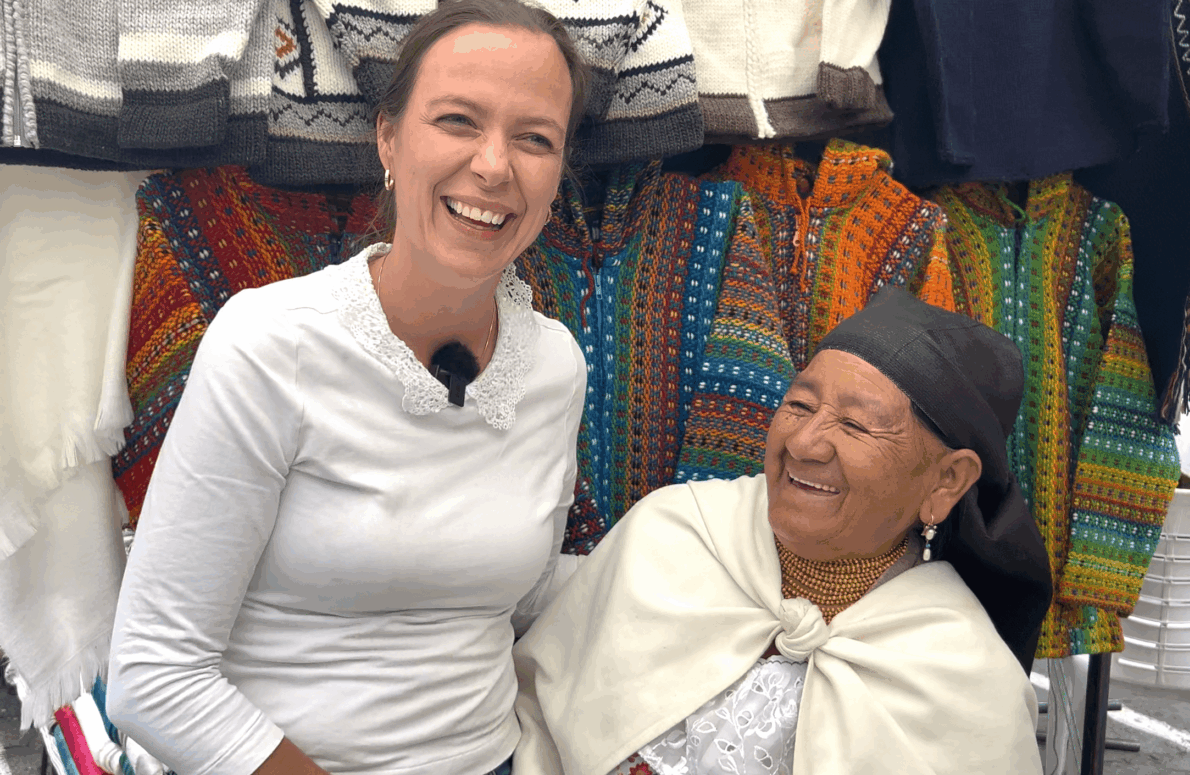
Rebecca Braak, founder of Rebecca Adventure Travel, works closely with Indigenous communities and schools in Ecuador/ Photo by Rebecca Adventure Travel
Lessons in leadership from women-owned businesses
At a time when the issues facing the planet are so pressing, we’ve decided to shine a light on some of the women-owned businesses in the travel industry that have stepped up, sharing a look at their important and varied efforts, along with highlighting what you can do to support them when you travel.
From Morocco to Nepal and Ecuador, these women entrepreneurs are demonstrating their values in action at a time when the world is seeking leadership and vision. Here are their strategies on how women-owned travel businesses can truly make a difference, and how travellers can be part of that effort.
Lesson #1: Build community
For Siham Lahmine, owner and cultural curator, Morocco Travel Organizer, a focus on community is central to improving tourism in Morocco. Since founding her business in 2023, Lahmine donates 5 per cent from her profits to local community efforts, including education support, Infrastructure development (supporting water access to wells in the mountains) and women’s economic empowerment.
“The best moment of being an entrepreneur is seeing the joy in travellers’ eyes when they understand the local impact they create as part of their journey,” Lahmine says. “I’ve seen the impact of tourism on the women here too, when women feel confident to speak up and open up to share their thoughts/voice, and families allow their girls to choose the tourism industry as a respectful career.
The Cherry Buttons Cooperative in the Moroccan village of Sefrou is one example of the impact Lahmine’s company is having. The cooperative is led by a woman, Amina Yabis, who is a local entrepreneur and creative. The cooperative also provides work for 40 women in the village, empowering them financially, explains Lahmine.
“Taking travellers to Sefrou village and meeting Amina at a handmade workshop or a culinary experience has added meaning to the journeys and supported not just Amina or the women’s cooperative, but the village in general,” she says.
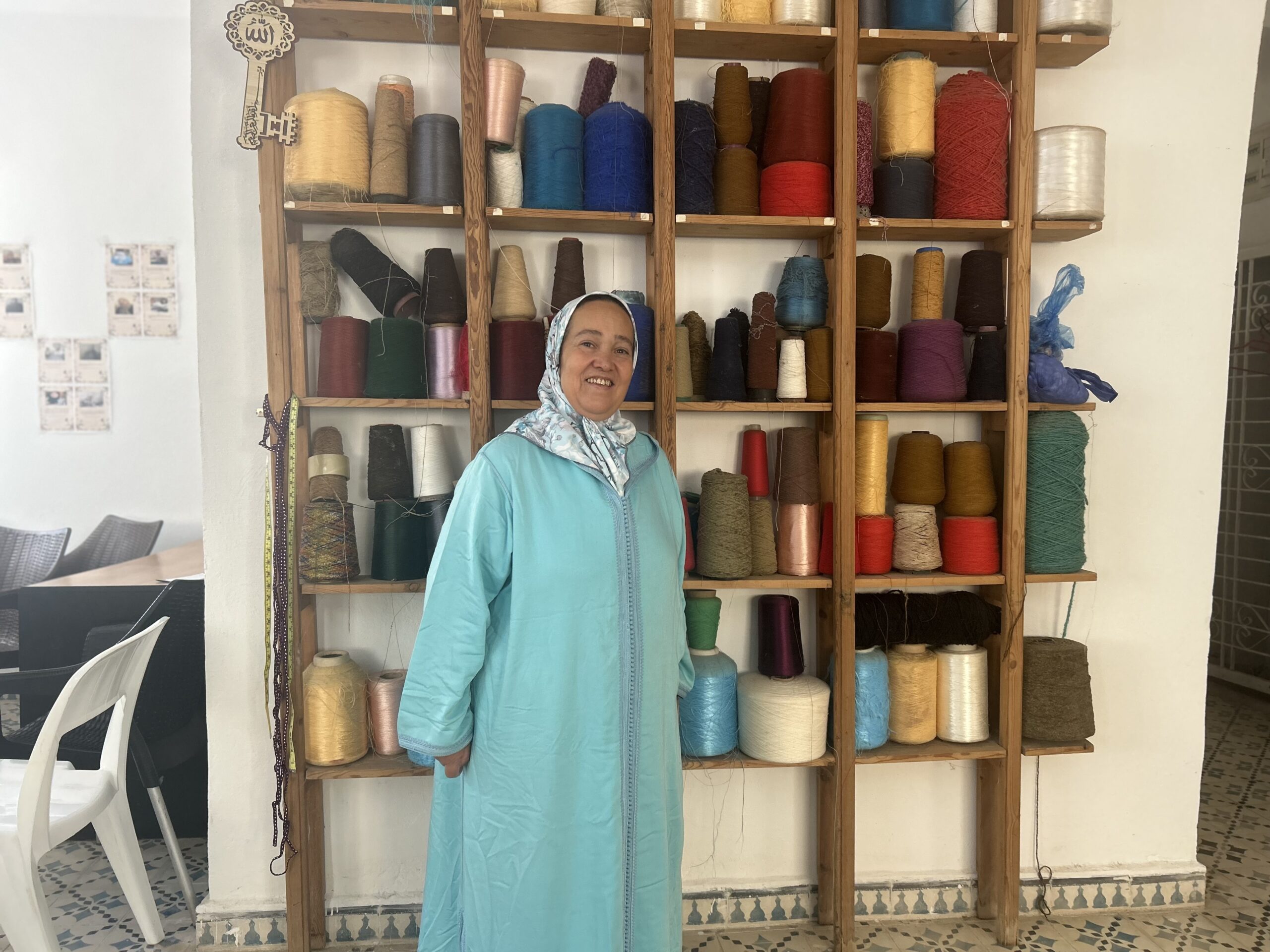
Amina Yabis, Founder of the Cherry Buttons Co-operative in Morocco/ Photo by Carolyn Ray
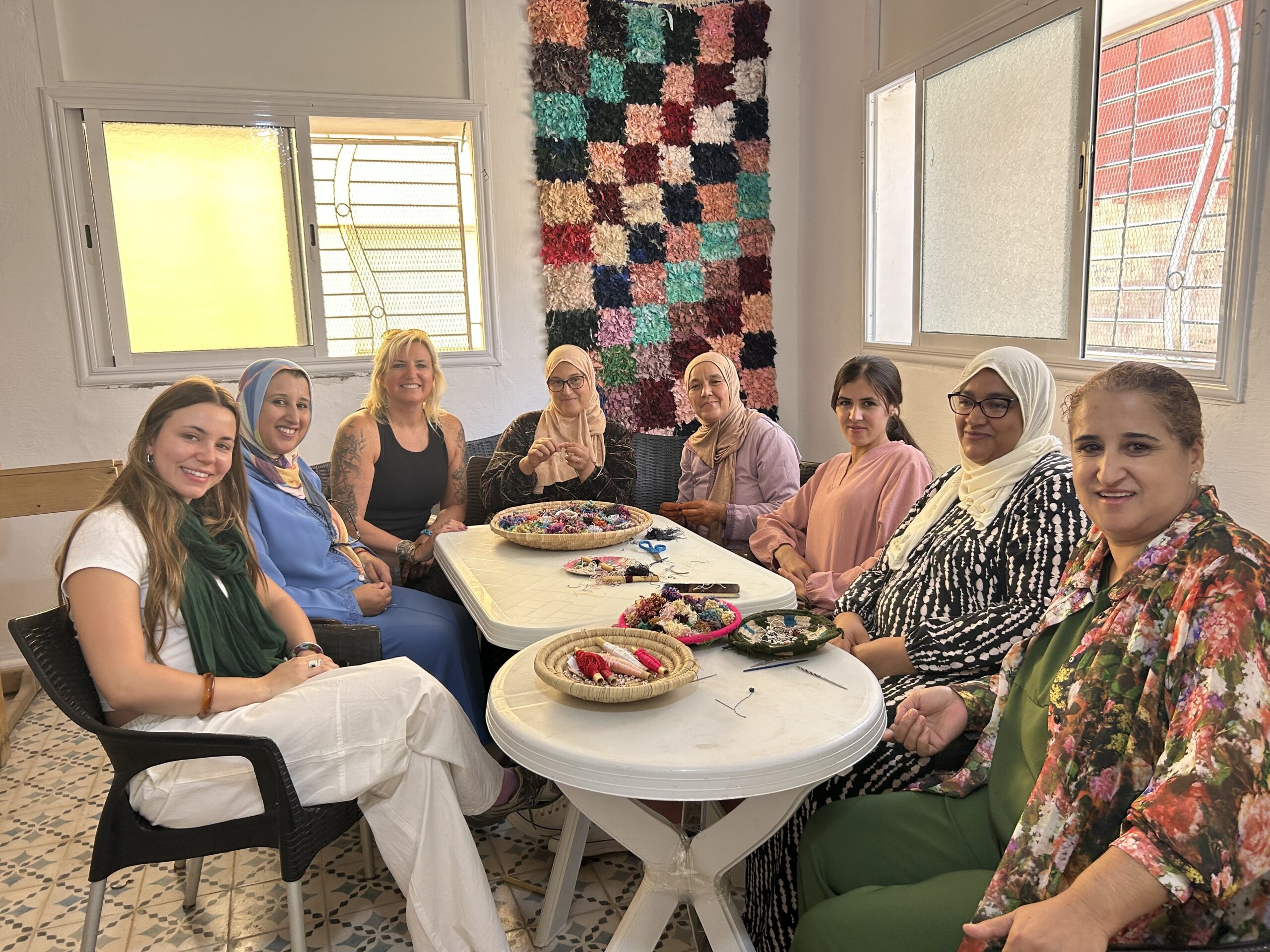
The women of the Cherry Buttons Co-operative with Carolyn and Alyx Ray in October 2025/ Photo by Carolyn Ray
Lesson #2: Connect to the land
Elizabeth Harrington, founder of Vital Ventures, says her goals is to get people adventure-ready so they can live a long and vital life. She trains small teams to prepare for epic fitness adventures, such as the Alaska Kenai, Grand Canyon Crossings, Dolomites, Costa Rica and more – featuring endurance hikes and surfing through three months of fitness, team building, and expert education.
“Our pillars are community, wellness, environmental stewardship, and personal growth,” Harrington says. “I bring in local experts connected to the area, geography, and sport we’re preparing to explore. For example, in Alaska, our team learned from a botanist about the unique flora of the Kenai Peninsula and from a local guide about indigenous hunting and fishing traditions. We also worked with a nutritionist to design a fueling program that supported the team’s training and carried through into our hikes. Time and time again and again, our participants highlight local engagement as one of the most meaningful aspects of the experience. It deepens their connection to place, culture, and community—making the adventure not just a physical challenge, but a transformational journey.”
Read More: 12 Ways to Empower Women When You Travel
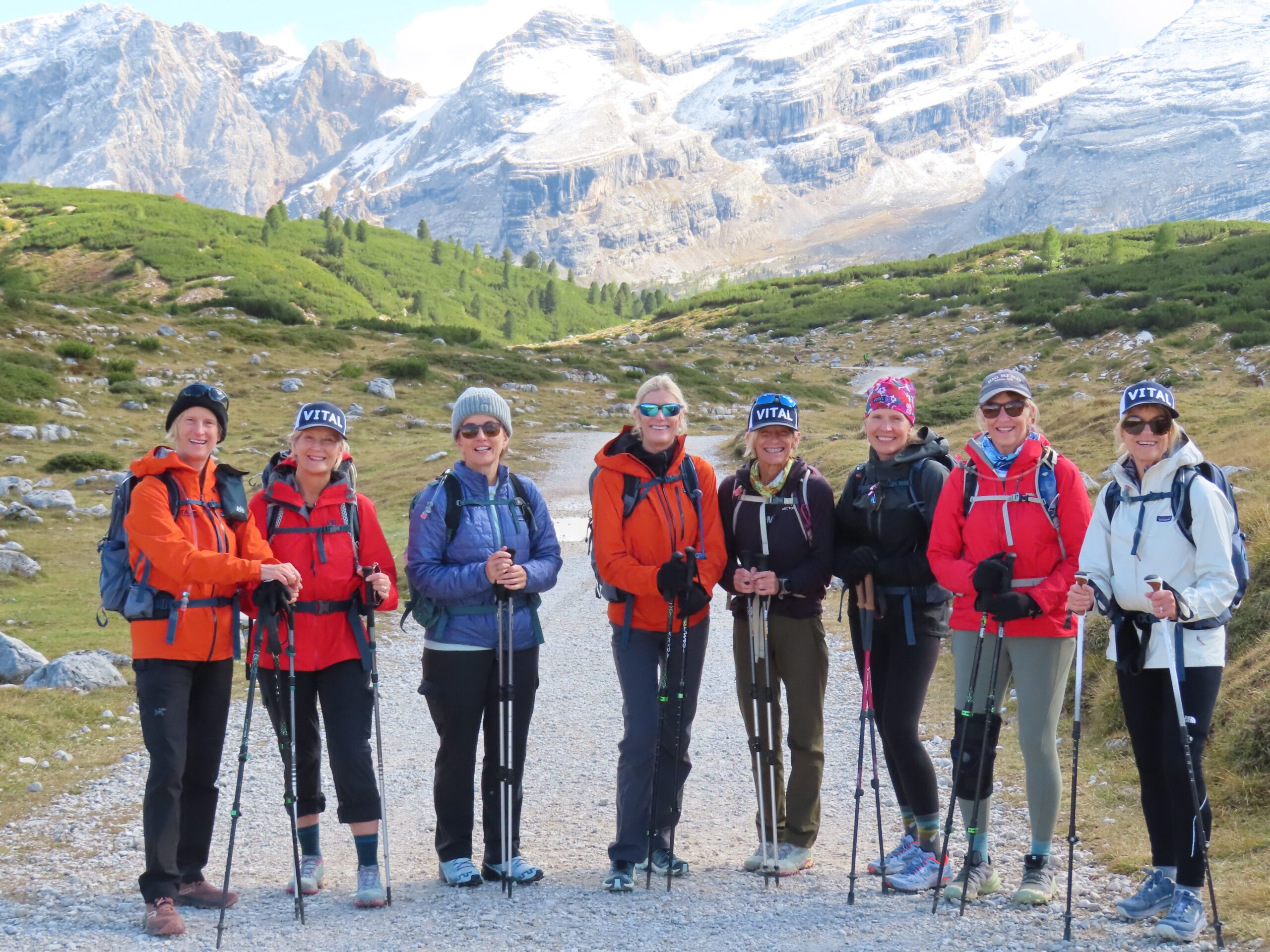
A group from Vital Ventures in Alaska/ Credit Vital Ventures
Lesson #3: Preserve cultural heritage
NextTribe founder Jeannie Ralston says she is pioneering social and cultural sustainability in travel by preserving culture. Since 2017, NextTribe has built a community where women describe finding “sisterhood,” “camaraderie,” and transformation.
“We promote culturally sustainable travel practices that build genuine local connections (we always spend time with local women and support local community initiatives wherever we travel) and ways to sustain women’s personal growth and identity development beyond traditional roles,” she says.
Ralston wants to help travellers recognize that sustainability is more than about preserving the environment by creating a sustainable ecosystem for women’s continued growth, community, and cultural engagement – proving that sustainability in travel can be about sustaining people and communities, not just environments.
“For example, this year in Uganda we spent time with Batwa women, forest-dwellers who still live the way their ancestors have lived for thousands of years,” she says. “Whenever we visit a new destination, we are always seeking out ways women are preserving their cultural heritage through cooking, crafts, and entertainment.”

Lesson #4: Empower Local Women and Communities
Women-led and community-centered travel company Fernweh Fair Travel was created from a women’s shelter established by the Bachan Charitable Trust in the Indian Himalayas. According to Founder Poonam Rawat-Hahne, the organization evolved to train underprivileged women—especially young widows and survivors of domestic violence—to become tour guides, homestay hosts, artisans, and program leaders.
“Through these roles, women gain sustainable income and independence, fostering long-term community upliftment,” she says. “Women have gained independence, respect in their communities, and control over their earnings. Over 560 local women and youth have been trained in hospitality, guiding, cooking and craftwork—many of whom were previously unemployed, widowed, or socially marginalized.”
One hundred percent of Fernweh’s income is directed to local communities, ensuring that all proceeds benefit local villagers directly. Women and community members manage homestays, craft programs, organic farming, village guiding, and more—reinforcing local ownership and cultural preservation. The organization also supports marginalized artisan tribes by providing training, fair pay, and a platform to sell their handicrafts during treks and stays. Lastly, travellers experience local Himalayan culture firsthand—through meals, rituals, storytelling, and community interaction—instead of through sanitized tourist offerings.
Fernweh Fair Travel has already had a tangible, grassroots-level impact on local Himalayan communities, especially women. The organization’s success is measured not just in numbers, but in qualitative transformations in people’s lives and the environment.
Lesson #5: Invest in communities
Jodi Morris, founder of Let’s Venture, encourages people to travel as a partner, not a tourist.
“It’s not about seeing the sites,” she says. “It’s about learning, connecting to people and their stories, and seeing the future. When you travel differently, you think differently and do life differently. The industry of travel takes a toll on the earth’s resources. What if we could make it a net positive one?”
Tapping into themes of women’s leadership, entrepreneurship and sustainable businesses, Venture connects travellers to inspiring female students, leading schools and education non-profits (African Leadership University (ALU); Room to Read; SHE-CAN; Rise Up; SEGA School in Tanzania; U-GO, ISF Cambodia), impactful businesses (Ubongo, providing children’s edutainment in Tanzania; Dorsu, producing sustainably-made clothing in Cambodia; Kasha, which provides last mile health products in East Africa; Kabisa and Ampersand, leaders in EVs in East Africa), and artists and social enterprises (Inema Arts in Rwanda; SHE Investments in Cambodia; DARCH architectural heritage in Tanzania).
“I believe that travel—created thoughtfully—can be one of the best tools towards each of us leading a more impactful life. And that has a multiplier effect,” she says. “Be an investor! Align your money and values. Invest globally. Challenge your financial advisor to help.”
Venture Travel introduces participants to new ideas. According to Morris, one woman became the leading funder for a girl’s education organization in Cambodia and Guatemala. Another, moved by the entrepreneurs he met at ALU, seeded a new accelerator program. One woman changed her career, moving from corporate America to supporting early-stage entrepreneurs (Seeing Things Differently).
Several have joined an Africa angel investment network or made impact investments. One participant traveled to Tanzania with her 16-year-old niece and the experience led to what she studied at university. Several participants brought their adult children on a future venture. Several started using donor-advised funds (DAFs) to further their philanthropic giving.
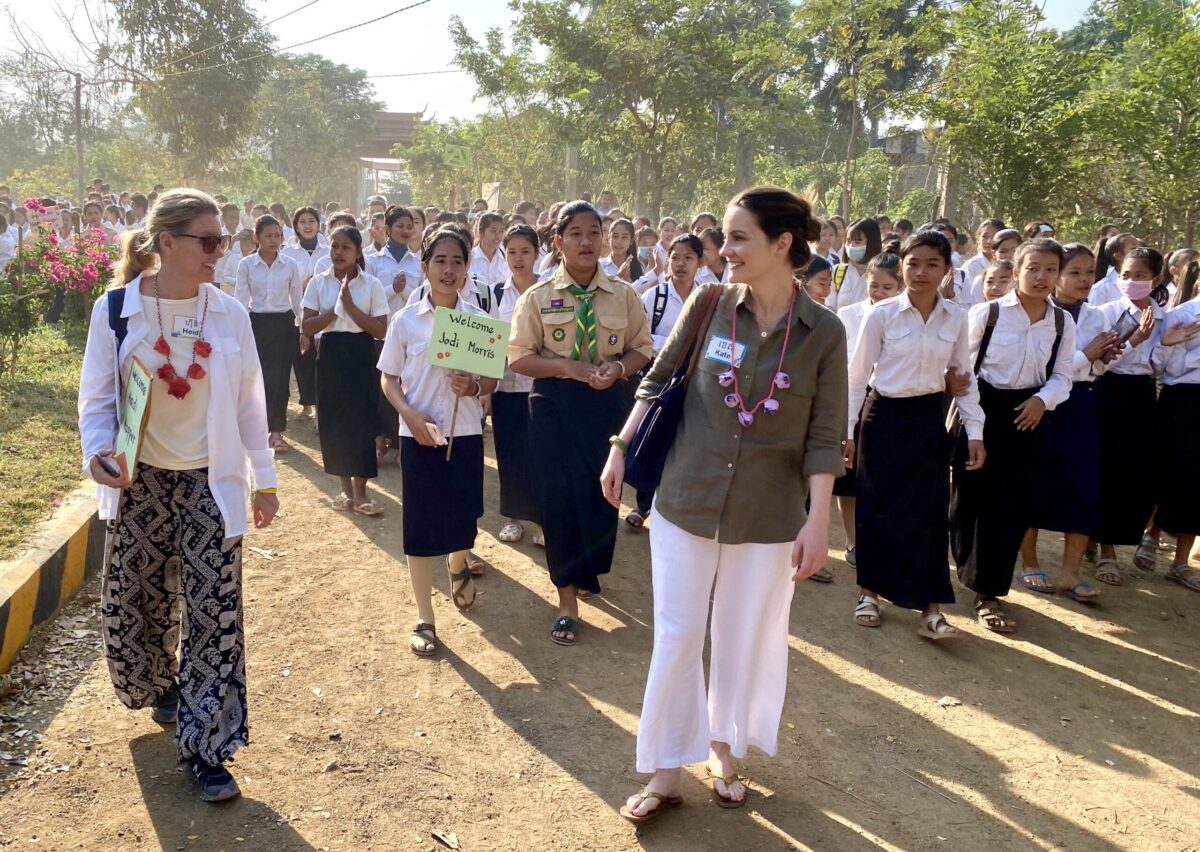
A trip to Cambodia with Let’s Venture/ Photo by Let’s Venture

A trip to Cambodia with Let’s Venture / Photo by Let’s Venture
Lesson #6: Support local education
As a B-Corp certified Destination Management Company (DMC) based in Ecuador, Rebecca Adventure Travel is committed to creating a positive impact on three key pillars: people, planet, and profit. As a women-led travel company, Rebecca Adventure Travel collaborates with female guides, partners with women-owned eco-lodges, and supports female entrepreneurs in tourism.
“Our business is centered on sustainable, purpose-driven travel across Latin America,” says CEO Rebecca Braak. “Through our “Huella Positiva” approach, we preserve cultures and natural environments while ensuring every trip contributes to local economies. We partner with family-owned accommodations, empower local communities, and design experiences that foster authentic connections between travelers and hosts, creating meaningful impact while protecting destinations for future generations. Additionally, we have sponsored a local school in our area of influence, supporting both its infrastructure and the socio-emotional well-being of its students”.
Braak says her company’s initiatives have already created a measurable impact. “We currently support over 35 local communities, more than 10 Indigenous groups, and 297 children. Since 2022, we have sponsored the Antonio de Ulloa School, where we improved facilities such as bathrooms and the library through a year-long crowdfunding campaign that raised $5,000 in 2023.”
When women choose to travel with Rebecca Adventure Travel, adds Braak, they not only live transformative experiences but also amplify women’s voices across the industry, becoming part of a global movement that champions equality, sustainability, and empowerment.
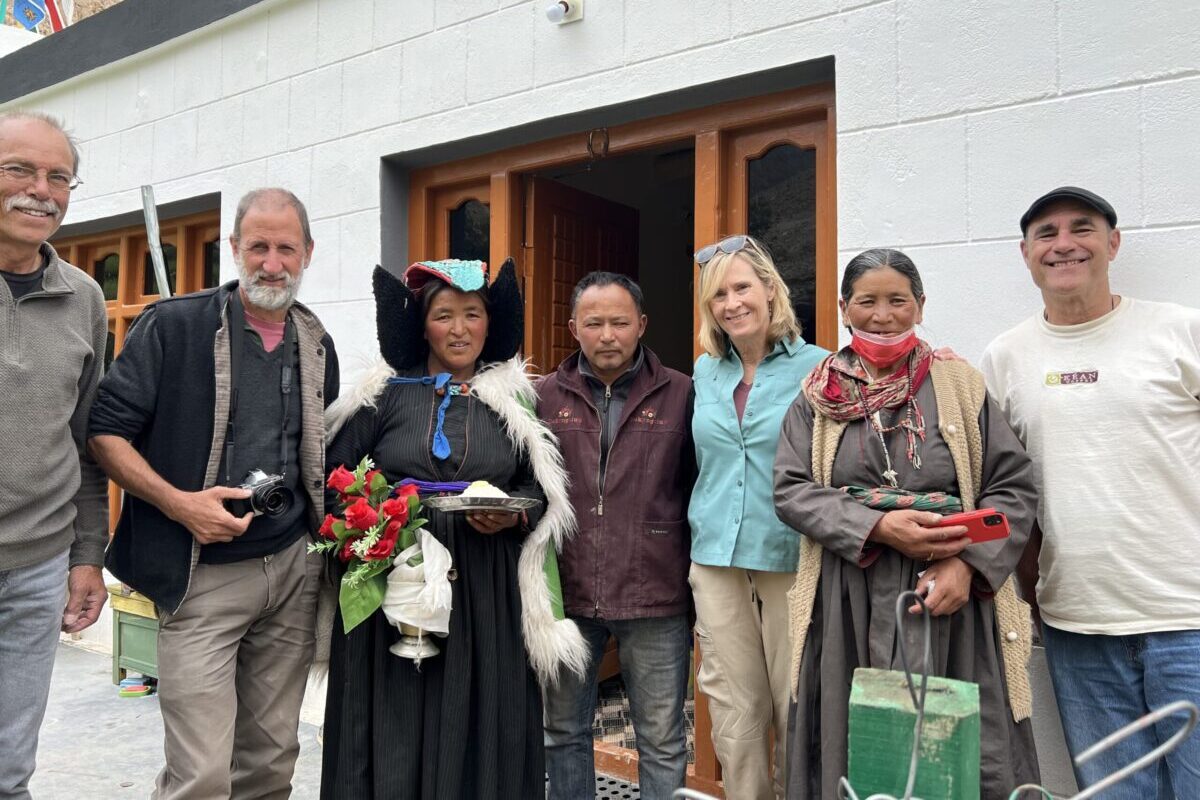
Jennifer Spatz and Global Family Travels’ guests being warmly welcomed by community in Ladakh, India / Credit Global Family Travels
#7: Co-create experiences with local non-profit partners
For over 15 years, Jennifer Spatz of Global Family Travels has been dedicated to designing culturally immersive and community-based travel experiences that expand perspectives—and family circles.
“As a cultural anthropologist and regenerative tourism advocate, I create programs that span the globe, from Himalayan retreats to Pacific Northwest conservation trips to Indigenous-led cultural exchanges,” she says. “Our programs are co-created with local and global nonprofit partners to ensure authentic impact. Many of our educational journeys are thoughtfully designed to align with the United Nations Sustainable Development Goals (SDGs) and build deeper connections between people and the planet. Women are vital to advancing sustainable, regenerative travel. As a women‑led organization, Global Family Travels believes female leadership and participation bring empathy, inclusivity, and collaboration to our work.”
Global Family Travels also follows the Global Sustainable Tourism Council (GSTC) guidelines, which provide an internationally recognized framework to ensure that our programs meet high standards for sustainability across environmental, social, cultural, and economic dimensions.
“From restoring salmon habitat in the Pacific Northwest to learning traditional crafts in Peru, our heartfelt itineraries invite travelers to engage with intention and impact,” Spatz says. “Our regenerative approach was inspired by our inaugural journey to Ladakh, India, where spirituality, ecology, and tradition are deeply intertwined—a foundation that continues to shape all our trips, whether a one-day Seattle outing, a custom-curated journey, or a small-group expedition abroad.
For example, in Ladakh, India, Global Family Travels has contributed to the Siddhartha School through 6 donor-supported trips, funding infrastructure improvements, providing student scholarships, and supporting cultural preservation efforts. “In Peru’s Sacred Valley, the company has partnered with Quechua elders, which empowers local communities to share their ancestral knowledge of traditional agriculture and spiritual worldviews,” Spatz says. “This helps preserve cultural heritage and supports local economies directly.”
Feeling inspired? These efforts are just another example of how women-owned travel businesses are truly changing the world for the better.
Editor’s note: Most, although not all, of these companies are vetted members of our Women’s Travel Directory, which features women-led and owned businesses. We invite women to choose women-owned business when they travel and welcome applications from values-aligned businesses to join our Directory here.

Mia Taylor

Mia Taylor is an award-winning travel writer who has worked on staff for, or contributed to, numerous national and international publications including BBC, Parents, Real Simple, Travel + Leisure, Fortune and many others. Over the course of her career, Mia has won nine writing awards from the North American Travel Journalists Association for her coverage of topics she's passionate about, including the welfare of elephants in the travel industry, sustainable travel, family travel, and more. Now 53, Mia is currently serving as a Senior Editor for the travel trade publication TravelPulse and is a single mother who loves exploring the world with her son and teaching him about being a thoughtful world citizen. She lives in Southern California.
0 Comments